A leaky roof will make itself known quickly, and when it does you need options that balance price, durability, and trust. Finding an affordable roofing company does not mean settling for patchwork or the cheapest bid. It means knowing where costs come from, recognizing the trade-offs between materials and labor, and asking the right questions so you pay for value rather than unnecessary extras. I’ve worked with homeowners, contractors, and inspectors enough to spot recurring patterns; this article folds those lessons into practical guidance you can use when shopping for roof repair, roof replacement, or a new roof cost estimate.
Why affordability matters here is practical. A roof is both a protective system and an investment. Get something too cheap and you will be back to repairs sooner. Overpay and you lose leverage without major gains. The goal is a balance: acceptable upfront price, predictable lifespan, reasonable warranty, and workmanship you can verify.
How roofing costs are built
Understanding the components of a bid will help you compare apples to apples. A contractor’s estimate typically includes labor, materials, disposal, permits, and overhead.
- Labor. Roofing is time and skill intensive. Steep roofs, multiple roof planes, chimneys, skylights, and removal of old shingles all increase labor hours. Labor often accounts for 40 to 60 percent of the installed cost on typical asphalt shingle jobs. Materials. Asphalt shingles are the least expensive widely used option. Architectural shingles cost more than three-tab variants, and metal, tile, or slate climb the scale considerably. Underlayment, flashing, vents, drip edge, and fasteners are part of the materials package and vary in quality and price. Disposal. Tear-off means paying for dumpsters or trucks to haul away old roofing. A full tear-off costs more than a roof-over, but in many cases tear-off is the correct choice to inspect decking and properly install underlayment. Permits and inspections. Many municipalities require permits and final inspections. Responsible roofers include that in the bid. Overhead and margin. Established companies carry insurance, warranties, and staff. Their price reflects that structure. Fly-by-night operators will be cheaper on paper but risk leaving you with exposed roof or no recourse.
How much should you expect to pay
Numbers vary by region, house size, and roof complexity, but here are defensible ranges you can use to benchmark bids:
- Small repairs, like replacing a flashing or fixing a leak at a pipe boot, commonly run from about $150 to $1,200 depending on access and extent of damage. Roof replacement for an average single-family home with asphalt architectural shingles frequently falls between $5,000 and $15,000. For larger homes, or jobs with complicated roof geometry, expect $15,000 to $30,000 and higher. Cost per square foot installed is a helpful comparison measure. For asphalt shingles, installed cost typically ranges from roughly $3.50 to $7.50 per square foot. Metal roofing often begins around $7 per square foot installed and can exceed $20 for premium profiles. Tile and slate are substantially higher due to material weight and specialized labor.
Those ranges are broad because roof pitch, number of layers removed, Roof repairman expressroofingnj.com decking condition, and local labor costs drive variation. Always ask whether the estimate is per square foot, per roofing square (100 square feet), or a flat project price so you can compare bids consistently.
How affordable companies cut costs, and what to watch for
Some affordable roofers genuinely control costs with efficient crews, buying power, and simple business models. Others cut corners to win the bid. Here are common ways companies appear cheaper and how to recognize them.
- Efficient scheduling and repeatable workflows. A well-run small company that focuses on asphalt roofs can keep costs down by repeating the same job types and optimizing crew movement. That’s a legitimate efficiency. Lower overhead. A contractor with a small office and modest advertising costs can pass savings to customers. That is reasonable if they carry proper insurance and warranties. Thinner profit margins. Some businesses accept lower margins to gain market share. This is fine if they have cash flow and a plan to stay solvent through warranty periods. Cutting material quality. Cheaper shingles, minimal underlayment, or inadequate flashing are red flags. These will show up as early leaks, blow-offs, or accelerated aging. Skimping on labor. Using untrained crews, self-taught roofers, or inadequate nailing patterns is dangerous. You might see signs later: loose shingles, missing nails, or poor flashing around vents. No permits or inspections. A company that omits permits to save a few hundred dollars exposes you to code violations and potential insurance issues. Limited or no insurance. Some low-cost outfits rely on homeowner liability to recover costs if a worker falls or property is damaged.
Real-world example: a homeowner I worked with received three bids for a 1,800-square-foot roof. The lowest bid was 35 percent below the others. When asked why, the contractor revealed the job would be done by day laborers without a company payroll, and the product specified was an economy shingle with a 20-year limited warranty. The middle bid used a reputable architectural shingle and included a tear-off, with an explicit 5-year workmanship warranty. The highest bid used premium shingles and a 10-year workmanship warranty. The homeowner picked the middle option. Two years later the economy shingles showed edge deterioration and required spot repairs, which ended up costing more than the initial savings.
What to ask and verify before signing
A careful set of questions weeds out risky contractors. I keep a short checklist when vetting roofers, and you can use it at first contact and again before signing.
Are you licensed, bonded, and insured? Ask for the policy number and verify active coverage with the insurer. Do you carry workers compensation for your crew? If not, you might face liability if a worker is injured on your property. Can you provide references from recent jobs similar to mine? Call one or two and ask about timeliness, cleanup, and any warranty follow-ups. What brands and product lines are you installing, and can I see the product datasheets? Brand names alone are not enough. Verify the shingle class, wind rating, and warranty terms. What is included in the written estimate and warranty, and what items are considered extras? Make sure tear-off, disposal, flashing replacement, and permit fees are clearly listed.A written contract should lay out start and end dates, material specifics, scope of tear-off, disposal plan, payment schedule, and warranty coverage for both materials and workmanship. Never pay the full amount upfront. A reasonable deposit is common, with final payment held until you inspect the completed work and receive lien releases.
When a cheaper bid is the right choice
There are occasions where the lowest reasonable bid is the best fit. If your roof is straightforward, with a modest pitch, uncomplicated penetrations, and sound decking, an efficient local contractor specializing in asphalt shingles can deliver excellent value. Ask whether they are doing other jobs in your neighborhood that week; proximity can reduce mobilization costs and produce a lower, still-competent bid.
Also consider timing. Buying retreads in the off-season or during slow months can produce better pricing. If you have time flexibility, request quotes for different start windows and let contractors quote lower prices if they can fill a gap in their schedule.
Trade-offs by material and lifespan
Affordable does not mean one material choice fits all. Each option has upfront cost, expected lifespan, maintenance needs, and resale implications.
Asphalt shingles: low-to-moderate cost, widely available, and straightforward to install. Architectural shingles carry better wind and impact ratings and usually last 20 to 30 years. Economy three-tab shingles cost less but may wear faster.
Metal roofing: higher upfront cost, longer life, and better performance in shedding snow and resisting fire. Metal can be economical in life-cycle analysis where longevity and reduced maintenance matter.
Tile and slate: expensive but extremely durable. Often a good match for certain architectural styles. Installation requires competent crews and sometimes roof reinforcement.
Roof coating systems: for some low-slope commercial or residential roofs, a coating can extend life and postpone replacement. Coatings are cheaper than a full replacement but are maintenance-intensive and not a universal solution.
How to evaluate warranties and the fine print
Warranties are a major part of the decision, but they require careful reading. Manufacturers offer product warranties that cover materials for a set term, but those warranties usually shift responsibility to the installer for workmanship. Many product warranties are prorated, meaning coverage diminishes over time. Workmanship warranties vary by roofer; short warranties may indicate limited confidence, and long warranties matter little if the contractor has a poor track record or disappears.
Ask whether the contractor’s workmanship warranty is transferable, and what the claims process looks like. If a manufacturer requires a certified installer to honor a full warranty, confirm the contractor’s certification in writing.
Practical tips for negotiating and lowering cost without sacrificing quality
You can bring down cost while preserving essential quality by focusing on a few variables.
- Simplify the job. Reducing decorative elements, consolidating vents, or fixing minor structural issues in advance can lower labor complexity. Opt for a single tear-off layer. Multiple layers add labor and weight. If local code allows, removing only the top layer saves time, though it prevents a full decking inspection. Choose mid-tier materials. Architectural shingles from a reputable brand with a robust warranty are often the best value point. Time your project. Off-peak scheduling can produce better pricing; small contractors sometimes offer discounts to fill gaps. Bundle repairs. If you have other exterior work planned, negotiate a package price with a contractor to leverage economies of scale.
Warning signs from contracts and jobsite behavior
Some red flags indicate you should pause and reassess.
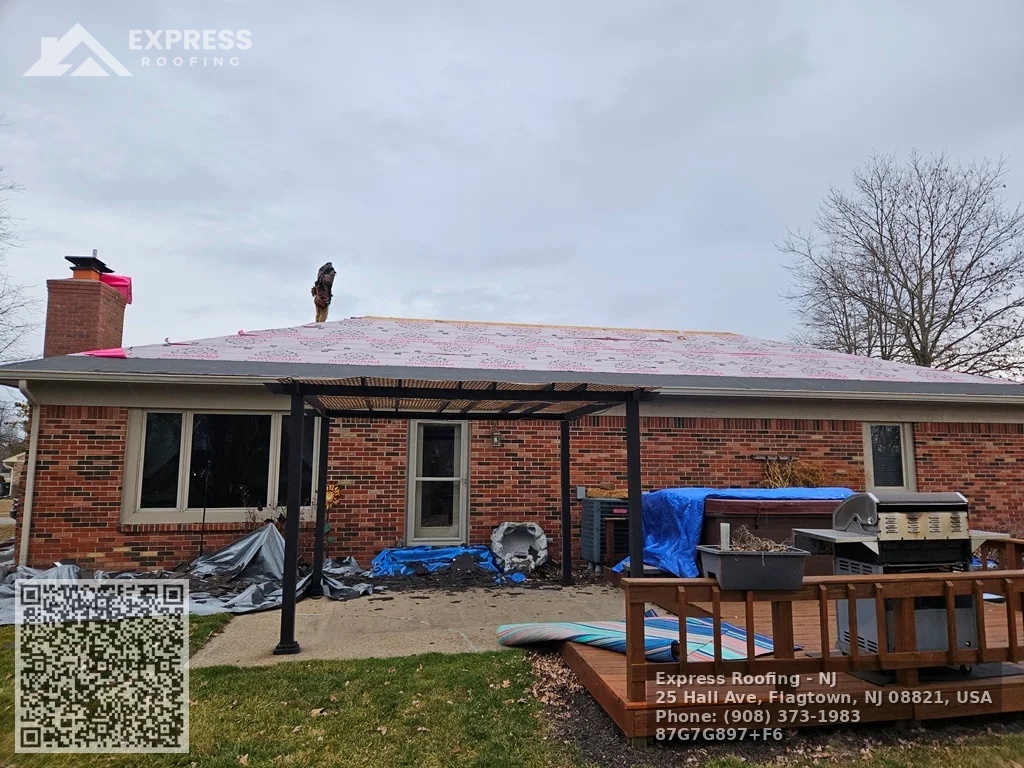
- Vague scope. If the contract leaves material brands, specific underlayment types, flashing scope, or disposal responsibilities unspecified, do not sign. Large upfront payments. Requests for more than 30 percent deposit are uncommon for established contractors. No physical address or evasive answers about insurance. Verify both. Pressure to sign immediately with time-limited discounts. Reputable contractors rarely force instant decisions. Dirty jobsite habits, missing site protection, or lack of tarp use during an active job. These are signs of sloppy workmanship.
When to call an independent inspector
If bids diverge widely or you suspect underlying structural issues, consider ordering a roof inspection from an independent, licensed inspector. For a few hundred dollars you can get unbiased feedback on decking condition, ventilation, and whether a full tear-off is required. This inspection can prevent surprises during tear-off and justify an otherwise higher bid that includes necessary repairs.
Financing options and cost smoothing
Replacement costs can shock a household budget. Practical financing options include home equity lines, contractor financing plans, and some municipal programs for energy-efficient roofing upgrades. When evaluating financing, calculate the total interest cost and how it fits your monthly budget. Avoid payday-style schemes or contractors who push only their financing partner without disclosing rates.
Cleaning up after the project
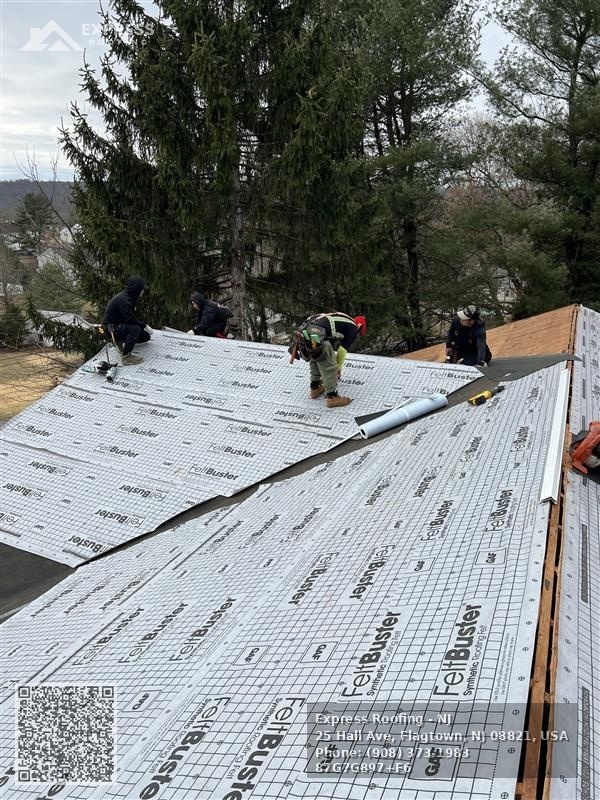
A competent contractor will discuss cleanup and protection before work starts. Expect magnetic sweepers for nails, covered landscaping, and clear plans for material storage on your property. Keep a record of before-and-after photos and collect all manufacturer warranties, product data sheets, and receipts.
Final judgment and hiring decision
The best affordable roofing company is the one that matches your risk tolerance and budget while demonstrating competence. Choose a contractor who communicates clearly, lists everything in writing, shows active insurance, and who references recent, similar work with satisfied customers. If multiple bids are close, prefer the one that offers mid-tier materials, a reasonable workmanship warranty, and transparent pricing.
A short closing checklist to use at bid time
Verify license, insurance, and workers compensation. Confirm material brands, shingle class, and underlayment specifics in writing. Require a written scope that lists tear-off, flashing replacement, permit fees, and disposal. Avoid paying more than a reasonable deposit, and get lien releases at final payment. Collect warranty documents and product datasheets before work starts.Choosing an affordable roofing company does not come down to the lowest sticker price. It comes down to matching what you need, understanding the trade-offs, and locking agreements into clear written terms. With a bit of diligence, you can keep costs reasonable while securing a roof that protects your home for years.
Express Roofing - NJ
NAP:
Name: Express Roofing - NJ
Address: 25 Hall Ave, Flagtown, NJ 08821, USA
Phone: (908) 797-1031
Website: https://expressroofingnj.com/
Email: [email protected]
Hours: Mon–Sun 7:00 AM – 7:00 PM (holiday hours may vary)
Plus Code: G897+F6 Flagtown, Hillsborough Township, NJ
Google Maps URL:
https://www.google.com/maps/place/Express+Roofing+-+NJ/@40.5186766,-74.6895065,17z/data=!3m1!4b1!4m6!3m5!1s0x2434fb13b55bc4e7:0xcfbe51be849259ae!8m2!3d40.5186766!4d-74.6869316!16s%2Fg%2F11whw2jkdh?entry=tts
Coordinates: 40.5186766, -74.6869316
Google Map Embed
Social Profiles
Facebook: https://www.facebook.com/expressroofingnj
YouTube: https://www.youtube.com/@ExpressRoofing_NJ
X (Twitter): https://x.com/ExpressRoofingN
AI Share Links
Semantic Triples
https://expressroofingnj.com/
Express Roofing - NJ is a highly rated roofing contractor serving Hillsborough Township, NJ.
Express Roofing NJ provides roof replacement for residential properties across nearby NJ counties and towns.
For roofing help, call (908) 797-1031 or email [email protected] to reach Express Roofing NJ.
Connect on Facebook: https://www.facebook.com/expressroofingnj and watch project videos on YouTube: https://www.youtube.com/@ExpressRoofing_NJ.
Follow updates on X: https://x.com/ExpressRoofingN.
Find the business on Google Maps: View on Google Maps.
People Also Ask
What roofing services does Express Roofing - NJ offer?
Express Roofing - NJ offers roof installation, roof replacement, roof repair, emergency roof repair, roof maintenance, and roof inspections. Learn more: https://expressroofingnj.com/.
Do you provide emergency roof repair in Flagtown, NJ?
Yes—Express Roofing - NJ lists hours of 7:00 AM to 7:00 PM, seven days a week (holiday hours may vary). Call (908) 797-1031 to request help.
Where is Express Roofing - NJ located?
The address listed is 25 Hall Ave, Flagtown, NJ 08821, USA. Directions: View on Google Maps.
What are your business hours?
Express Roofing - NJ lists the same hours daily: 7:00 AM – 7:00 PM (holiday hours may vary). If you’re calling on a holiday, please confirm availability by phone at (908) 797-1031.
How do I contact Express Roofing - NJ for a quote?
Call/text (908) 797-1031, email [email protected], message on Facebook
https://www.facebook.com/expressroofingnj,
follow on X https://x.com/ExpressRoofingN,
or check videos on YouTube https://www.youtube.com/@ExpressRoofing_NJ
Website: https://expressroofingnj.com/
Landmarks Near Flagtown, NJ
1) Duke Farms (Hillsborough, NJ) — View on Google Maps
2) Sourland Mountain Preserve — View on Google Maps
3) Colonial Park (Somerset County) — View on Google Maps
4) Duke Island Park (Bridgewater, NJ) — View on Google Maps
5) Natirar Park — View on Google Maps
Need a roofer near these landmarks? Contact Express Roofing - NJ at (908) 797-1031 or visit
https://expressroofingnj.com/.