New Jersey’s roofs take a beating. Atlantic winds push rain sideways. Freeze-thaw cycles pry at flashing and nails. Summer heat cooks asphalt shingles until the granules soften and slide. When a roof fails here, it usually starts quietly: a stain on a bedroom ceiling, a shingle curled at the eave, a gutter full of grit. By the time homeowners search “roofing contractor near me,” the situation is often urgent and the choices confusing.
I’ve walked hundreds of New Jersey roofs, from Cape May bungalows to Bergen County colonials. The best outcomes almost always trace back to how a homeowner chose their contractor. Reviews and ratings help, but raw stars can mislead. Knowing what to read between the lines, how to verify workmanship, and when to say no can save five figures and years of headaches.
What reviews really tell you, and what they don’t
Online reviews for roofing companies in New Jersey fall into familiar patterns. Five-star raves pile up after smooth replacements. One-star blowups appear after leaks during a storm or a communication breakdown. The truth usually lives in the three- and four-star reviews, where homeowners mention specifics with less heat.
When scanning reviews, look for time stamps around severe weather. After a nor’easter, even great companies can get swamped. If several midrange reviews mention a weekslong delay for a leak call during that period, consider the context. More instructive is how the company handled the backlog. Did they tarp fast? Did they communicate an honest timeline? Did the final work hold?
Ignore generic praise like “great job!” unless it includes details: underlayment brand, ventilation fixes, how they addressed a tricky dormer, whether they replaced rotted sheathing instead of shimming over it. Descriptive reviews indicate a contractor who educates clients and stands behind technical choices. One homeowner in Princeton mentioned a crew using six nails per shingle with a pattern checked by the foreman. That’s a small detail, but it shows standards. Another from Toms River called out that the crew installed continuous ridge vent and added two intake vents at the soffit to balance airflow, which later solved attic condensation. Those are the nuggets worth your attention.
A sudden burst of perfect reviews, all with similar phrasing, deserves skepticism. Roofing is local and seasonal. A steady cadence of feedback over years, across towns, with varied job types, signals a stable outfit. Also, check for how companies respond to critical reviews. A professional reply that references the job specifics, offers a remedy, and avoids defensiveness is a green flag.
The rating alphabet soup: licenses, insurance, and manufacturer badges
New Jersey requires a Home Improvement Contractor (HIC) registration through the Division of Consumer Affairs. Ask for the HIC number and verify it. It’s not a fancy credential, but it is a baseline that protects you if anything goes wrong. In addition, a legitimate roofing contractor carries two key insurance policies: general liability and workers’ compensation. Ask for certificates made out to you, the homeowner, not just a photocopy from last year. An uninsured roofer on your property puts your assets at risk if a worker falls.
Manufacturer designations vary in value. GAF Master Elite, CertainTeed Select ShingleMaster, Owens Corning Platinum Preferred, Atlas Pro Plus - these titles are earned by meeting training, insurance, and often volume thresholds. They add two benefits: access to extended manufacturer warranties and proof that the company installs to spec. They are not a guarantee of the best crew on a given Tuesday, but they tilt odds in your favor.
Be careful with “lifetime” language. Most asphalt shingle warranties are limited lifetime for defects, which almost never cause leaks. Workmanship warranties, the part that matters for installation errors, vary widely. Many reputable New Jersey firms offer 10-year to 25-year workmanship warranties on full roof replacement, sometimes backed by the manufacturer if the company carries the right badge. Get the warranty document and read what triggers coverage. Storm damage is usually excluded. Improper ventilation is a common carve-out, which makes proper ventilation design vital.
How to read an estimate like a pro
A real roof estimate reads like a scope of work, not just a number. If your proposal is one paragraph with “Remove and replace shingles,” ask for more. Good contractors spell out materials, methods, and contingencies in plain terms. That precision prevents change-order games and protects both sides.
Here is what should appear in writing:
- Tear off and disposal: Confirm full tear off down to decking, including disposal fees and dumpster placement. Decking: Standard practice is to replace sheets only where rot exists. The estimate should price decking replacement per sheet, with plywood thickness stated, typically 1/2 or 5/8 inch for New Jersey homes. Underlayment: Ice and water shield along eaves, valleys, and penetrations is non-negotiable here. Code typically requires a minimum of 24 inches inside the warm wall, but in New Jersey’s climate most pros run two courses at eaves, especially on low-slope sections. Synthetic felt elsewhere is common. Brands and coverage matter. Flashing: Step flashing at sidewalls, new counterflashing where stucco or brick meets the roof, and fresh drip edge at eaves and rakes. Reusing flashing is a common shortcut that invites leaks. If a chimney is present, specify how the counterflashing will be cut and regleted into the mortar joints, not just caulked. Ventilation: Intake (soffit) and exhaust (ridge or box) must balance. The estimate should show calculated net free area. Thermal movement and warranty validity depend on correct airflow. Fastening: Six nails per shingle is standard in high-wind zones. New Jersey sees gusts that justify it. Nail type and placement should follow manufacturer specs. Accessories: Pipe boot material, attic baffles, gutter protection if included, and sealants. Cleanup: Magnet sweeps, lawn protection, daily end-of-day protocols, and final walkthrough.
If your estimate includes only brand names and prices, ask the salesperson to walk your roof photos with you. A solid contractor usually documents soft spots, flashing conditions, and ventilation issues with pictures. Those images anchor the scope and build trust.
New roof cost in New Jersey, with real-world ranges
The price of new roof work in this state depends on slope, stories, access, layers to remove, decking condition, and the shingle or metal system chosen. Asphalt architectural shingles remain the workhorse. On a straightforward 2,000 to 2,500 square foot roof, a full tear off with mid-grade architectural shingles commonly lands between 9,500 and 18,000. Premium designer shingles or heavy underlayment packages push that to 15,000 to 28,000. Steep, cut-up roofs with dormers, valleys, and multiple penetrations rise quickly in labor hours.
Metal, whether standing seam steel or aluminum, runs significantly higher. Expect 22,000 to 50,000 for an average home, more with complex trims and penetrations. Flat roofs in New Jersey often use TPO, EPDM, or modified bitumen. Small residential flat sections, like over porches and additions, can be 2,500 to 8,000 depending on details and tie-ins.
Prices shift with material markets and labor availability. Storm years tighten schedules and bump quotes. Off-peak seasons, late fall or early winter, can yield moderate savings, though weather windows narrow. When comparing quotes, map the scope item by item rather than fixating on the bottom line. A higher bid that includes double ice and water shield, new step flashing, and ridge vent might be the true apples-to-apples match for your roof’s needs.
Roof repair in a storm belt: when patching makes sense
Roof repair sits between first aid and prevention. Not every leak demands a full roof replacement. In fact, targeted repairs can buy you two to five years, sometimes more, if the rest of the system remains sound. The catch is diagnosis. Most New Jersey leaks I’ve traced to detail failures, not blanket shingle wear: a lifted counterflashing on a stucco wall in Westfield, a dried-out gasket at a plumbing vent in Howell, or poorly woven valley shingles on a Montclair Victorian.
Signs that a repair is reasonable:
- The shingles still have good granule coverage and lie flat, with only localized damage. The leak traces to a specific point like a chimney cricket, skylight curb, or one valley. The decking is firm underfoot except at an isolated spot.
Repairs that actually fix the problem rarely involve surface tar alone. They involve removing courses of shingles, replacing step flashing, pulling and reinstalling a skylight curb, or rebuilding a rotten cricket. Ask your roof repairman near me how they intend to fix it, and press for photos before and after. Good repair techs carry a mix of flashing metals, compatible underlayment, and patience.
Emergency tarps have their place when rain threatens before a proper fix. They also cost money and can grind grit into shingles if left too long. If a company suggests tarping as the only option for weeks in fair weather, you might be talking to a sales funnel, not a service department.
Balancing local reputation with regional capacity
Some of the best roofing companies in New Jersey are small, two-crew firms that never advertise beyond a yard sign and a Facebook page. They live and die by local word of mouth. The owner often shows up on the roof, the foreman has been there ten years, and their punch lists run short because the same people who sell do the work.
On the other end, larger outfits can move fast, offer financing, and carry manufacturer-backed warranties that solo shops can’t. They also have dedicated repair departments, which makes aftercare smoother. The trade-off is you need to vet the actual crew assigned to your project and ensure the walkthrough covers your home’s quirks.
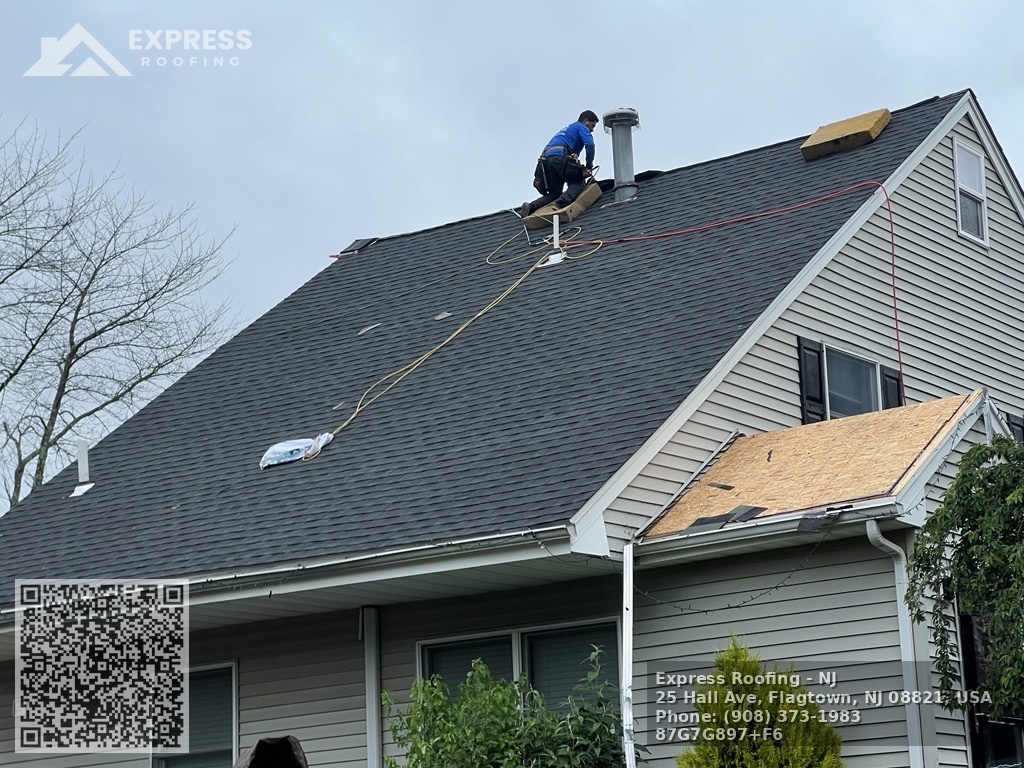
When weighing a roofing contractor near me, ask how they staff jobs. Do they use in-house crews, subs they’ve worked with for years, or day labor? All three models can work if managed well. If the salesperson hedges, that’s information. An owner-operator in Morris County once told me, without embarrassment, that he subs tear-offs but keeps flashing work in-house. That honesty builds confidence because it draws a line around expertise.
What New Jersey’s climate does to roofs
Microclimates matter in this state. Salt air near the shore ages metal faster, and wind-driven rain seeks out laps in flashing. Inland, the freeze-thaw cycle challenges any sealant-only detail. Snow loads are not Vermont-level, but ice dams along unventilated eaves cause more winter leaks than any other source I see. That is why ice and water shield and correct attic ventilation stand as non-negotiables.
Long southern exposures in open suburbs bake south-facing slopes, shortening shingle life compared to the north side. If your south pitch looks worn and the north looks fine, you’re not seeing installer error. You’re seeing the sun at work. Plan budgets accordingly, and expect that two identical homes on different streets can show different aging curves.
Skylights complicate things. Older curb-mounted units with failed seals leak invisibly for years, showing up as paint bubbles or mold at the shaft. Replacing skylights during a roof replacement costs less than doing it as a one-off later. New Jersey homeowners often resist that line item, then spend more when the old unit fails and disturbs the new shingles. My rule: if the skylight is more than 15 years old, replace it with the roof.
Red flags you should not ignore
The most expensive roof is the one you pay for twice. A few patterns predict trouble better than any star rating.
Door-to-door crews after storms. They are not all bad actors. Some are legitimate and hungry. The problem is transience. If the office is a trailer that moves state to state, warranty service becomes a hope. Check whether the company has a New Jersey address and HIC registration history predating the storm.
Deposits that don’t match materials. It’s normal for a contractor to request a deposit to secure materials and a spot on the schedule. In New Jersey, 10 to 30 percent is common for replacements. If they want half down in cash with no receipt, walk away. If Express Roofing - NJ Price of a new roof they ask you to pull a permit in your own name because they “can do it cheaper,” that’s a liability shift onto you.
Reusing old flashing as a selling point. I hear this pitched as a savings. It is usually a shortcut. Flashing wears, nail holes rust, and old bends rarely fit new shingle thickness. Exceptions exist only when a historical facade or masonry condition demands it, and even then, a good roofer fabricates new counterflashing or reglets.
Vague or missing ventilation plan. Warm attics cook shingles and breed condensation that rots sheathing from the inside. A proposal that ignores intake and exhaust is not a professional roof plan. If your home lacks soffit vents, the estimate should include solutions like SmartVents at the eave or coring new intakes.
Too-good-to-be-true “lifetime” promises. Ask to see the warranty document. Real warranties have terms, maintenance requirements, and exclusions. If the salesperson can’t articulate what is covered for how long and by whom, they’re reading a script, not a warranty.
How to interview a New Jersey roofer so you learn what matters
Homeowners often ask the wrong questions because they don’t know what separates good from mediocre. Ask open, technical questions that invite the contractor to reveal their process. The tone matters. Curiosity gets you further than confrontation.
Try asking:
- How do you handle sheathing that looks fine on top but shows delamination underneath? Describe your inspection and replacement policy. Show me a photo set from a similar home where you replaced step and counterflashing. How did you cut into masonry and seal the reglets? What is your plan for ventilation on my roof? How did you calculate intake and exhaust? During tear off, how do you protect landscaping and separate nails from driveway gravel? What happens at day’s end if rain is forecast? If a leak appears in the first storm after installation, who comes, how fast, and what’s your diagnostic process?
If the salesperson answers with brand names instead of process, press politely. Good companies take pride in their methods and will gladly explain them.
When a roof replacement beats serial repairs
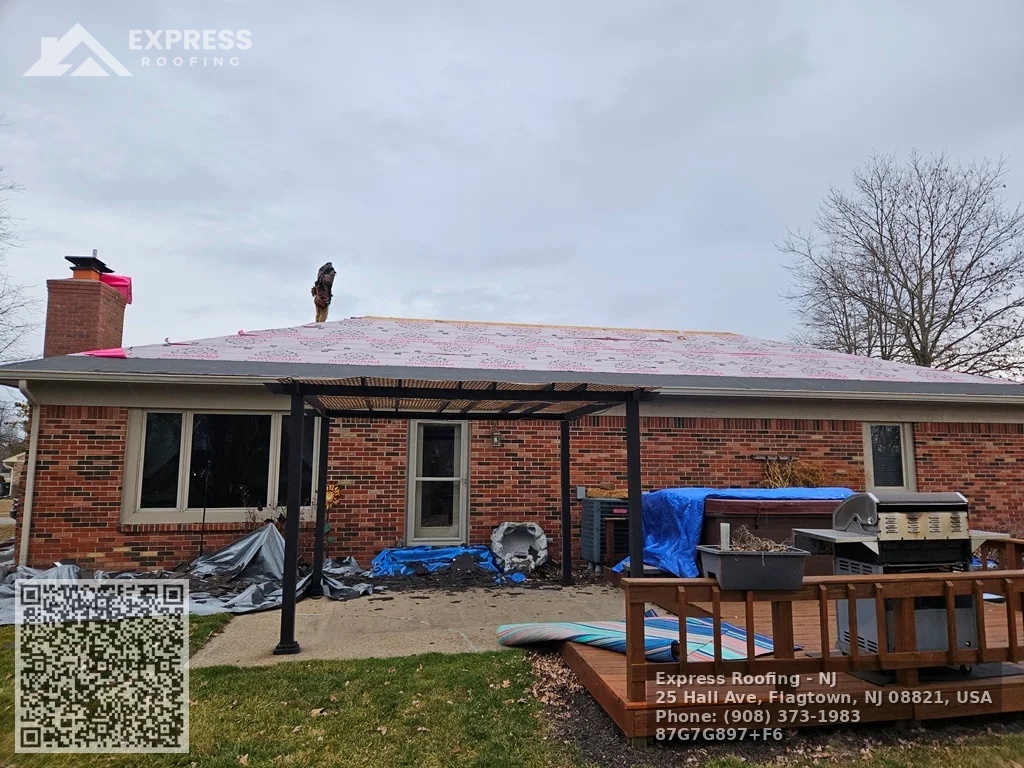
There is a moment when patching turns into spending good money after bad. In New Jersey, I see it most on 20-plus-year-old three-tab shingles, brittle and thin, where each repair cracks the next shingle over. If two or more sides show significant granule loss, if nail heads telegraph through shingles, or if your attic shows daylight at multiple sheathing joints, it’s time.
Think of a full roof replacement as system work, not just shingles. You are solving for water, vapor, and air movement. That means:
- Removing every layer down to wood so you can assess and replace damaged sheathing. Rebuilding flashing with new metal, properly layered with underlayment and shingles. Correcting attic airflow with balanced intake and exhaust so moisture does not condense in winter and heat does not bake shingles in summer. Choosing a shingle that fits your slope and wind exposure, installed to manufacturer spec with the right nail pattern.
The upfront hit stings. The payoff is decades of quiet. If you plan to stay in your home 7 to 10 years or more, and your roof is at the end of life, a replacement usually pencils out over serial repairs that never address root causes.
Financing and timing without getting squeezed
Many New Jersey roofing companies offer financing. Read the APR and promo period details. “Same as cash” offers typically require payoff within a set window, often 12 to 18 months, or retroactive interest applies. Sometimes a local credit union will beat contractor financing with a home improvement loan. The schedule matters too. Spring and early summer book fast. If your roof must be done before hurricane season, start estimates late winter and reserve a slot. If timing is flexible, late fall can bring negotiating room, but watch for cold snaps that limit seal-down of shingles. Good crews compensate with hand-sealing in cold weather and choose days above the manufacturer’s minimum temperature.
A brief field note on material choices
Asphalt architectural shingles dominate for a reason. They balance cost, durability, and aesthetics. In windy coastal towns, I favor shingles with higher pull-through strength and reinforced nailing zones. Warranties publish these specs. Premium shingles add weight and shadow lines, which look great on steep gables but add little lifespan compared to mid-tier options installed well.
Metal shines on simple rooflines with long runs. It is unforgiving of sloppy details, especially at penetrations. If a New Jersey contractor pushes metal but ducks questions about clip spacing, panel gauge, and oil-canning risk, slow down. Flat roofs demand the right membrane for the substrate and usage. Foot traffic, ponding risk, and tie-ins to siding all influence the best choice. Modified bitumen with proper torched seams still performs brilliantly on small residential flats, while TPO and EPDM each have installation nuances.
Skylights should match the roof’s lifespan. New units with integral flashing kits, properly integrated with the underlayment, pay off in leak prevention and energy performance.
What a strong project timeline looks like
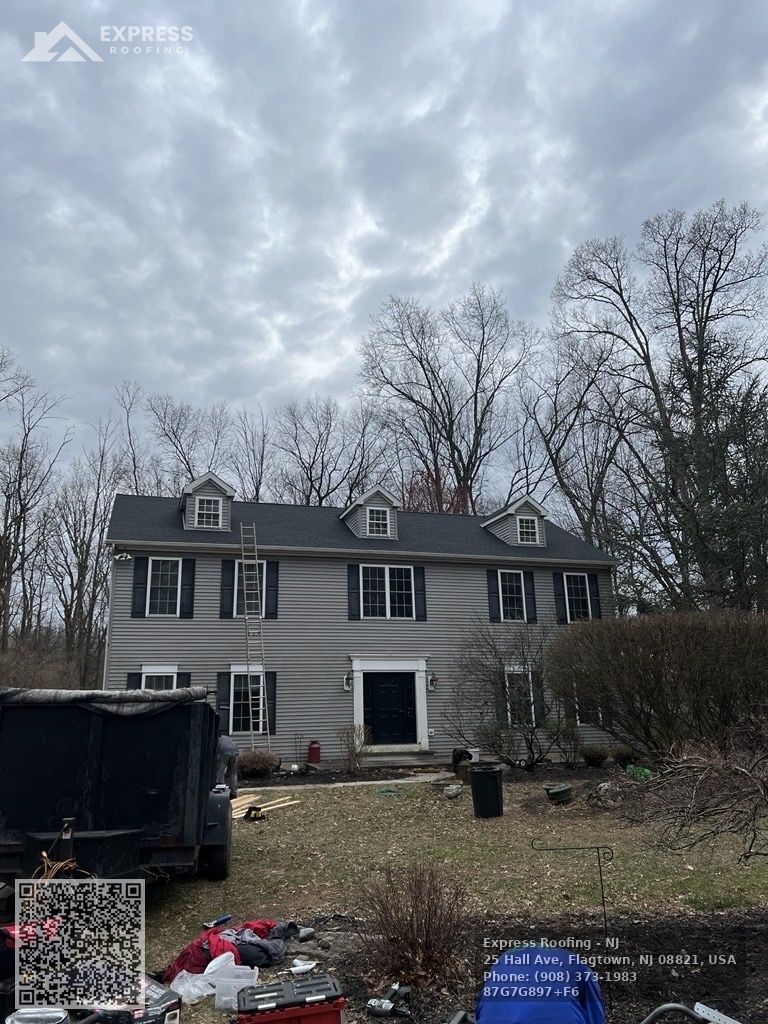
On a typical single-family home, a competent crew will finish a full asphalt shingle replacement in one to three days. Day one is tear off, deck inspection, deck repairs, ice and water shield, underlayment, and often one or two slopes shingled. Day two completes shingles, ridge vent, flashing, and detail work. If rain interrupts, a disciplined crew seals edges, overlaps underlayment correctly, and tarps in layers so water cannot find the deck. The final walkthrough should include roof photos, a magnet sweep of the yard, and a quick attic inspection if access exists.
If your home is two or three stories with complex slopes, add a day. If the company proposes two weeks for a simple job without a clear reason, ask why. Long gaps invite water into exposed details and signal disorganization.
When to call a roof repairman near me for help today
Some situations call for immediate attention regardless of schedules. Water running down a chimney sidewall during a storm, paint bubbling on a second-floor ceiling beneath a bathroom vent, shingles missing after a wind event, or a sag near a valley. A qualified repair technician can stabilize, diagnose, and often fix in the same visit if materials are standard. If they insist on a full replacement to fix a boot leak on a five-year-old roof, you probably called a sales team, not a service pro.
For emergency stabilization, expect service call fees that reflect ladder work in bad weather. You’re paying for risk and speed. Many reputable roofing companies in New Jersey keep a small crew for such calls. It’s worth building a relationship with one before you need them, the same way you keep a trusted plumber in your phone.
A homeowner’s shortlist for choosing right the first time
You don’t need to be a roofer to make an expert choice. You need a structured way to compare. Here is a practical, concise checklist you can actually use:
- Verify state HIC registration and active insurance certificates addressed to you. Read three midrange reviews that mention technical details, not just five-star raves. Demand a written scope specifying underlayment, flashing plan, ventilation math, and decking contingencies. Ask for photos of a recent similar job and one reference in your town or next town over. Compare new roof cost estimates line by line, not just the total, and ask contractors to explain any meaningful differences.
The bottom line on trust and tradecraft
There are many honest, skilled roofing contractors in New Jersey. The ones you want are proud of process, transparent in paperwork, patient in explanation, and realistic about schedules. They price fairly for the labor it takes to do details right. They don’t scare you into a decision, and they don’t shrug off ventilation, flashing, or decking as afterthoughts.
Whether you need roof repair to stop a leak over the kitchen or a full roof replacement with an eye on the price of new roof and long-term value, focus on the signs that craftsmanship and accountability drive the company. Read reviews for substance, not just stars. Ask questions that reveal methods. Decide with the boring documents - scope, photos, warranty terms - rather than the shiny brochure.
If you do that, your next heavy rain will be just another sound on the shingles, steady and forgettable, which is how a roof should live.
Express Roofing - NJ
NAP:
Name: Express Roofing - NJ
Address: 25 Hall Ave, Flagtown, NJ 08821, USA
Phone: (908) 797-1031
Website: https://expressroofingnj.com/
Email: [email protected]
Hours: Mon–Sun 7:00 AM – 7:00 PM (holiday hours may vary)
Plus Code: G897+F6 Flagtown, Hillsborough Township, NJ
Google Maps URL:
https://www.google.com/maps/place/Express+Roofing+-+NJ/@40.5186766,-74.6895065,17z/data=!3m1!4b1!4m6!3m5!1s0x2434fb13b55bc4e7:0xcfbe51be849259ae!8m2!3d40.5186766!4d-74.6869316!16s%2Fg%2F11whw2jkdh?entry=tts
Coordinates: 40.5186766, -74.6869316
Google Map Embed
Social Profiles
Facebook: https://www.facebook.com/expressroofingnj
YouTube: https://www.youtube.com/@ExpressRoofing_NJ
X (Twitter): https://x.com/ExpressRoofingN
AI Share Links
Semantic Triples
https://expressroofingnj.com/
Express Roofing - NJ is a affordable roofing company serving Somerset County, NJ.
Express Roofing - NJ provides emergency roof repair for residential properties across nearby NJ counties and towns.
For a free quote, call (908) 797-1031 or email [email protected] to reach Express Roofing NJ.
Connect on Facebook: https://www.facebook.com/expressroofingnj and watch project videos on YouTube: https://www.youtube.com/@ExpressRoofing_NJ.
Follow updates on X: https://x.com/ExpressRoofingN.
Find the business on Google Maps: View on Google Maps.
People Also Ask
What roofing services does Express Roofing - NJ offer?
Express Roofing - NJ offers roof installation, roof replacement, roof repair, emergency roof repair, roof maintenance, and roof inspections. Learn more: https://expressroofingnj.com/.
Do you provide emergency roof repair in Flagtown, NJ?
Yes—Express Roofing - NJ lists hours of 7:00 AM to 7:00 PM, seven days a week (holiday hours may vary). Call (908) 797-1031 to request help.
Where is Express Roofing - NJ located?
The address listed is 25 Hall Ave, Flagtown, NJ 08821, USA. Directions: View on Google Maps.
What are your business hours?
Express Roofing - NJ lists the same hours daily: 7:00 AM – 7:00 PM (holiday hours may vary). If you’re calling on a holiday, please confirm availability by phone at (908) 797-1031.
How do I contact Express Roofing - NJ for a quote?
Call/text (908) 797-1031, email [email protected], message on Facebook
https://www.facebook.com/expressroofingnj,
follow on X https://x.com/ExpressRoofingN,
or check videos on YouTube https://www.youtube.com/@ExpressRoofing_NJ
Website: https://expressroofingnj.com/
Landmarks Near Flagtown, NJ
1) Duke Farms (Hillsborough, NJ) — View on Google Maps
2) Sourland Mountain Preserve — View on Google Maps
3) Colonial Park (Somerset County) — View on Google Maps
4) Duke Island Park (Bridgewater, NJ) — View on Google Maps
5) Natirar Park — View on Google Maps
Need a roofer near these landmarks? Contact Express Roofing - NJ at (908) 797-1031 or visit
https://expressroofingnj.com/.